What causes legionella bacteria to grow in water systems?
Warm water, stagnation, biofilm and poor system design: the conditions legionella needs to multiply, and how they're controlled.
Read the guideGuidance
Older people, smokers, and anyone with an underlying health condition or weakened immune system: who is most vulnerable, and what that means for duty holders.

Ryan Tansley M.W.M.Soc
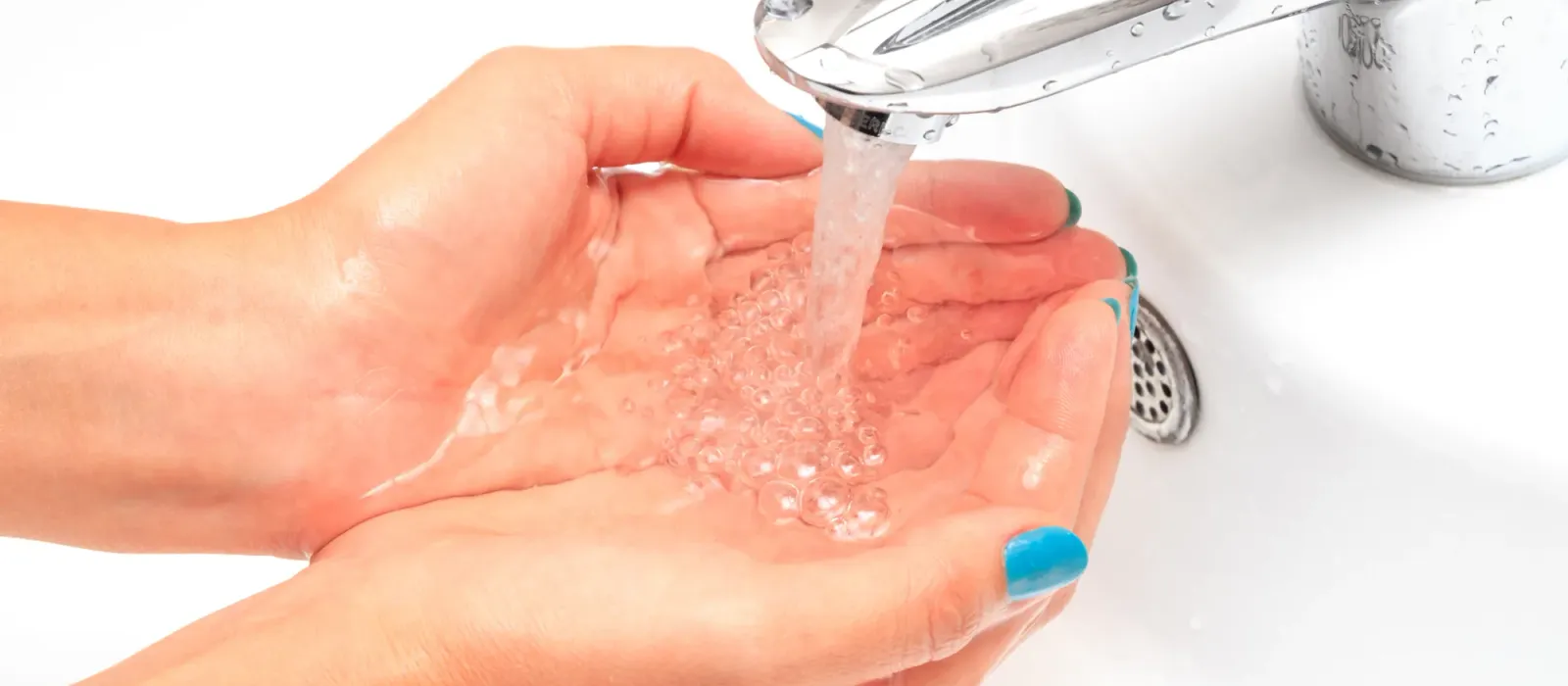
Legionnaires’ disease is a potentially serious form of pneumonia caused by Legionella bacteria. People become infected by inhaling tiny airborne water droplets (aerosols) that contain the bacteria. While anyone can contract Legionnaires’ disease, some individuals are significantly more vulnerable to infection and are more likely to develop severe illness if exposed. The disease is not generally spread from person to person.
Understanding who may be at greater risk is an important part of managing water hygiene and complying with legal responsibilities for controlling Legionella bacteria in water systems. UK guidance on Legionella control is provided within the Health and Safety Executive’s Approved Code of Practice (ACOP) L8 and supporting technical guidance HSG274. These documents support compliance with the Health and Safety at Work etc. Act 1974 and the Control of Substances Hazardous to Health (COSHH) Regulations.
The risk of developing Legionnaires’ disease increases with age. People over 45 years old are generally considered to be at greater risk, particularly as the body’s natural immune response may become less effective with age. Older individuals are also more likely to have underlying health conditions that can increase susceptibility.
Smoking damages the lungs and reduces the body’s ability to remove harmful bacteria from the respiratory system. Current smokers are at considerably higher risk of contracting Legionnaires’ disease, while former smokers can also remain more vulnerable than those who have never smoked.
Certain medical conditions can weaken the body’s ability to fight infection. Individuals with chronic respiratory diseases, such as COPD or emphysema, are generally at increased risk. Other health conditions that may increase susceptibility include:
Individuals whose immune systems are compromised are among the highest-risk groups. This may include people who:
For these individuals, exposure to even relatively low concentrations of Legionella bacteria can present a greater risk than for a healthy adult.
Hospitals, care homes, and supported living facilities often accommodate individuals who fall into one or more high-risk categories. Because of this, robust water hygiene management is particularly important in healthcare and residential care environments.
Yes. Although the likelihood of serious illness is lower in healthy individuals, nobody is completely immune to Legionnaires’ disease. If sufficient Legionella bacteria are inhaled, even people with no known risk factors can become infected.
However, healthy adults are generally less likely to develop severe illness than those within the recognised higher-risk groups.
The presence of vulnerable occupants should be considered during the Legionella risk assessment process. A water system that may present a low risk in one environment could require additional controls where occupants are elderly, immunocompromised, or otherwise susceptible.
ACOP L8 requires duty holders to identify and assess sources of risk, implement suitable control measures, monitor their effectiveness, and maintain appropriate records. The level of control should always be proportionate to the potential risk posed by the water system and the people who may be exposed.
Legionella risks can be effectively managed through a combination of:
When these measures are correctly implemented and maintained, the risk of Legionnaires’ disease can be reduced to a very low level.
If you are responsible for a workplace, rental property, office, community building, or other non-domestic premises, understanding who may be vulnerable to Legionnaires’ disease is an important part of managing your legal responsibilities.
UK health and safety legislation requires duty holders to assess and control the risk of exposure to Legionella bacteria where water systems could present a reasonably foreseeable risk. A suitable and sufficient Legionella Risk Assessment helps identify potential hazards, evaluate existing control measures, and ensure appropriate precautions are in place to protect building occupants and visitors.
Professional assessment and ongoing management can help demonstrate compliance with your legal duties while providing confidence that your water systems are being maintained safely and responsibly.
The management of Legionella risks in the UK is primarily governed by the following legislation and guidance documents:
Health and Safety at Work etc. Act 1974
Control of Substances Hazardous to Health Regulations (COSHH)
Management of Health and Safety at Work Regulations
HSE Approved Code of Practice (ACOP) L8
HSE HSG274 Technical Guidance
Further reading: HSE guidance on legionella and Legionnaires’ disease.
Warm water, stagnation, biofilm and poor system design: the conditions legionella needs to multiply, and how they're controlled.
Read the guide
From aerosols to written schemes of control: the technical terms you'll find in a legionella risk assessment, explained.
Read the guideTell us about your property and we'll come back with a clear, competitive quote.